11 Things I Wish I Knew Before Attending My First Ever TEDx

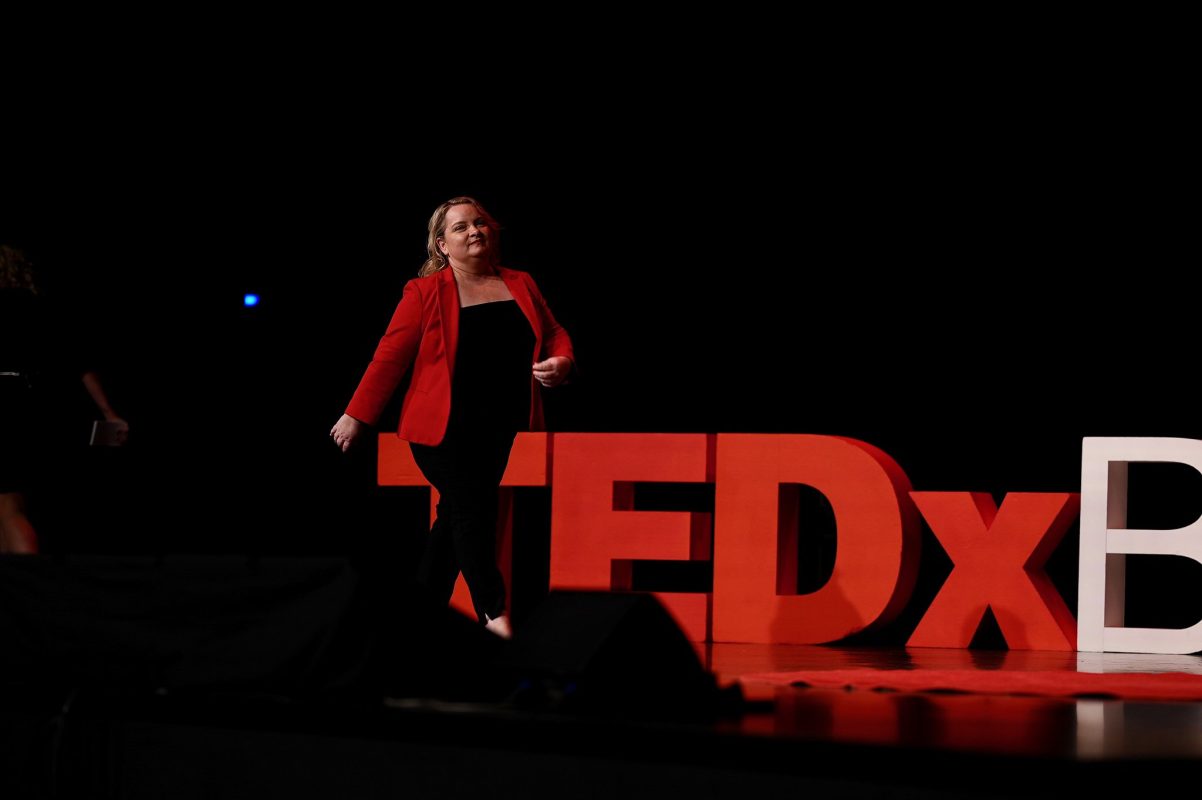
Since 2012, I have been involved with TED and TEDx in various capacities. I have been a participant in audiences at events around the globe, served as an on-the-day volunteer, and presented my own TEDx Talk. Since 2015, I have been the Licensee, CEO, and Head of Speaker Coaching for TEDxBrisbane.

Being involved at multiple levels and in various capacities has taught me many things. These are the top 11 things I wish I knew before attending my first-ever TEDx event.

1. Ditch any preconceived notions

There is a world of difference between watching the (inspiring, funny, heart-wrenching, empowering) TED talks online and attending a TEDx in person. I often say that if watching TED Talks online is like watching fantastic music videos, then attending one of our TEDx events is like going to a rock show.

Speakers who bring their A-game are absolutely captivating. They take you on a journey into the world as they experience it, provided you come prepared to travel. You will laugh when they laugh, cry when they cry. You will feel the high of their highs and the low of their lows. If you have notions of coming to passively watch a series of talks being delivered, throw that out the window. Come prepared to be taken on a journey, but free of preconceptions about what that journey might entail.

And don’t expect to agree with everything you hear. TEDx is a platform for great ideas that will include challenging and confronting topics and inspire difficult conversations our community needs to have.  The world has enough spectators. Come prepared to be a participant.

2. Don’t expect instant gratification

Attending a TEDx event can change your life. It changed mine. But it wasn’t instantaneous. It didn’t happen that day. Don’t come expecting that by 5 pm your new life plan will be in place (don’t laugh, I’ve heard people say it). It is far more likely that you will leave exhausted, with a complicated mix of emotions and experiencing what I call ‘TEDx brain whiplash’. Over the course of a TEDx line-up, you will likely be confronted by talks highlighting the best and worst of human attitudes and behaviours, the greatest good and the worst evil. You will see the heights to which human dedication and perseverance can rise, and the massive challenges that still confront humanity, waiting to be tackled. For some, the experience is overwhelming, and it can take a few days, weeks or even months to process it all and decide on a course of action.

3. Leave isolating modern social norms at home

Even the most extroverted of us have become conditioned to refrain from striking up a conversation with a total stranger in a coffee queue. We would certainly never walk up and ask someone (pragmatically or existentially) why they are here and how they are looking to change the world. Leave this societal conditioning at home before you set out because these are completely appropriate (even expected) behaviours at a TEDx event.

When you see someone alone, perhaps checking their phone (in earnest or because they are trying to hide their awkward aloneness), smile, walk over and strike up a conversation or else beckon them over with a welcoming wave. Time at TEDx is precious. The connections you make are invaluable. Don’t waste a minute being the wallflower or a digitally isolated modern human.

As a screaming introvert myself, I know this can sound confronting to some. But trust me. You will never find a more welcoming, supportive, values-aligned community of thinkers, doers and changemakers. If you are offered a spot in the room, it means people in the know decided you should be there. We need you. 

Big tip: If you’re an introvert or a situational introvert, embrace the Advocate program with both hands — those who do regard it as an absolute game-changer for feeling welcome, skipping small talk, and making intentional, strategic connections that extend well beyond event day. TEDxBrisbane created the world-first Advocate Program, which is now being adopted by other events. Check whether your local event has one.

4. Download our app & setup your profile

And speaking of connections, whether you’re attending a cosy 100-person event, a boutique 300-person TEDx event or one with a crowd of over 1000, there will rarely be enough time to connect with everyone you want to. Chances are, within 30 seconds of meeting someone whom you suddenly discover might be a perfect partner in your plans to change the world, you are called back into formal talk sessions. Before they disappear into a sea of people, you need to be able to give them your contact details quickly or know how to reconnect.  This scenario is just one of the reasons we set up an event app each year. If you receive an offer to become a participant (audience member) at TEDxBrisbane and purchase a ticket, we will send you details of how to access our exclusive app and set up your profile so you can engage before, during and beyond event day.

This is also an excellent way for people who feel more comfortable engaging online to reach out and build connections with people they feel aligned with, before needing to meet in person. TEDxBrisbane collaborated with our event app partner to create custom networking functionality that enables participants to seek intentional, strategic connections based on values, ideas, and areas of interest.

5. Embrace TEDx as a community, not an event

When I left home to attend my first TEDx event, I thought it was ‘just’ a single-day event. I could not have been more wrong. Beyond the in-person event, an amazing online presence makes each independent TEDx a potential 365-day community. It allows connections made on the day to continue, and it provides an opportunity to connect with people you missed that day, as well as with alumni from previous years.

Members of a specific TEDx community can follow one another’s progress and support one another’s endeavours. Like any community, you get back what you put in. Given the passionate, motivated, and dedicated people who form independent TEDx communities worldwide, this may be the most supportive and well-connected community you will ever be part of. Joining the community and engaging online in the lead-up to and beyond the in-person event ensures you can maximise the opportunity to meet and engage with as many of the fabulous humans in a curated TEDx audience as possible.

6. Be confident

Many TEDx communities use an application process to determine who can attend their events as participants (audience members). This system addresses several objectives, including managing the growing demand for limited places and ensuring a diverse participant base.

Importantly, it is often a reflection of calibre. With so many people seeking a place, spaces are highly coveted. Some communities turn away three or more people for every spot allocated. Organisers are pretty savvy in selecting participants, so if they awarded you a space, there was a good reason. When you are in that room, you can engage confidently with other participants and speakers. Your ideas, the contributions you have made to your chosen community to date, or the potential contributions you are poised to make have caught the attention of the organisers. You are in that room for a purpose.

7. Earn it

We all know TED’s famous historic tagline: Ideas worth spreading. In recent years, that tagline has transitioned to a new one that made me so happy, I literally danced in my lounge room — Ideas Change Everything.

I have learned that the people who benefit most from the TEDx experience are those who appreciate the opportunity they have been given. They understand that ideas can change everything, and that part of that involves the right people hearing them and building momentum through action.

They pay forward the opportunity they have been given, to be in that room, to hear the ideas from the stage, in Discovery Sessions and in conversations with other participants. They pay it forward by literally spreading the ideas they experience on the day throughout their own communities: through conversations, through social media, through actions. And they do it by taking action, whether that’s amplifying one or more of the ideas they heard on the day, or by fast-tracking and fuelling an idea of their own.

As one attendee put it to me so eloquently upon learning four people were turned away for every one person selected:

“I need to spread each of these ideas further and stronger than the other four people who could have been in my seat. That is how I earn it.”

8. Speakers are happy to discuss their ideas

Obviously, every speaker is a unique individual, but it has been my experience that TEDx speakers are very happy to discuss their talks, which they have likely been working on for months, and which reflect an idea they are truly passionate about. So don’t be shy about approaching them in between sessions, and definitely at the Intentional Connection Session (aka the After Party) — just be respectful and polite. (Please note speakers may not be keen to chat in the 30 minutes leading up to the delivery of their potentially once-in-a-lifetime TEDx talk or to talk about something they did 10 years ago, which has no relevance to the topic of their TED Talk.)

9. Don’t monopolise the speaker’s time

When a Speaker has inspired you, and you have summoned the (unnecessary) courage to approach them, it is all too easy to fall into an in-depth conversation, to the point that you cross an invisible line and become that person monopolising their time. I know because I have been that person. If you are lucky, you look around just in time to realise there are 20+ people circling you and the speaker, waiting for you to stop speaking long enough so they can jump into the conversation. If you aren’t lucky, you remain completely oblivious and will probably head home never knowing you were that person (but everyone else will).

Engage speakers enthusiastically and authentically, but be mindful that others may also want their time. (N.b.: I would like to apologise to the 20+ people waiting to speak to Paul Verhoeven at TEDxSouthBankWomen 2013. I hope I pulled out in time for you to soak up some of his genius for yourselves.)

A great tip if you are joining a group conversation with a speaker is to politely interject and ask whether they would like a drink. A young man did this very thing with me in 2014, returned promptly with a soft drink (for which I was incredibly grateful) and seamlessly became part of the group conversation. Well played.

10. The talks aren’t the best bit

People often look at me sceptically when I tell them that the talks aren’t the best bit about attending a TEDx event. Don’t get me wrong, the talks are outstanding, and nothing quite compares to the electricity in the room as you experience compelling oratory first-hand. Like the moment when you and the person sitting next to you are both holding your breath or wiping aside a tear at the same time.

But it is not just the talks. It is a day filled with the forging of meaningful connections with people who share a passion and dedication to making the world good. Not the sofa sitters of the world, but the people who make things happen.

11. Do not waste it

This last tip is probably the most important. And though I am loathed to come across all Dead Poets Society, carpe diem, seize the day evangelical, it must be said that if you have managed to secure a spot at a TEDx event, and hence an invitation to become part of that community, you have been given a chance to take a moment and rethink the world and your role in it. Do not waste it.

Leave a Reply

Your email address will not be published. Required fields are marked *

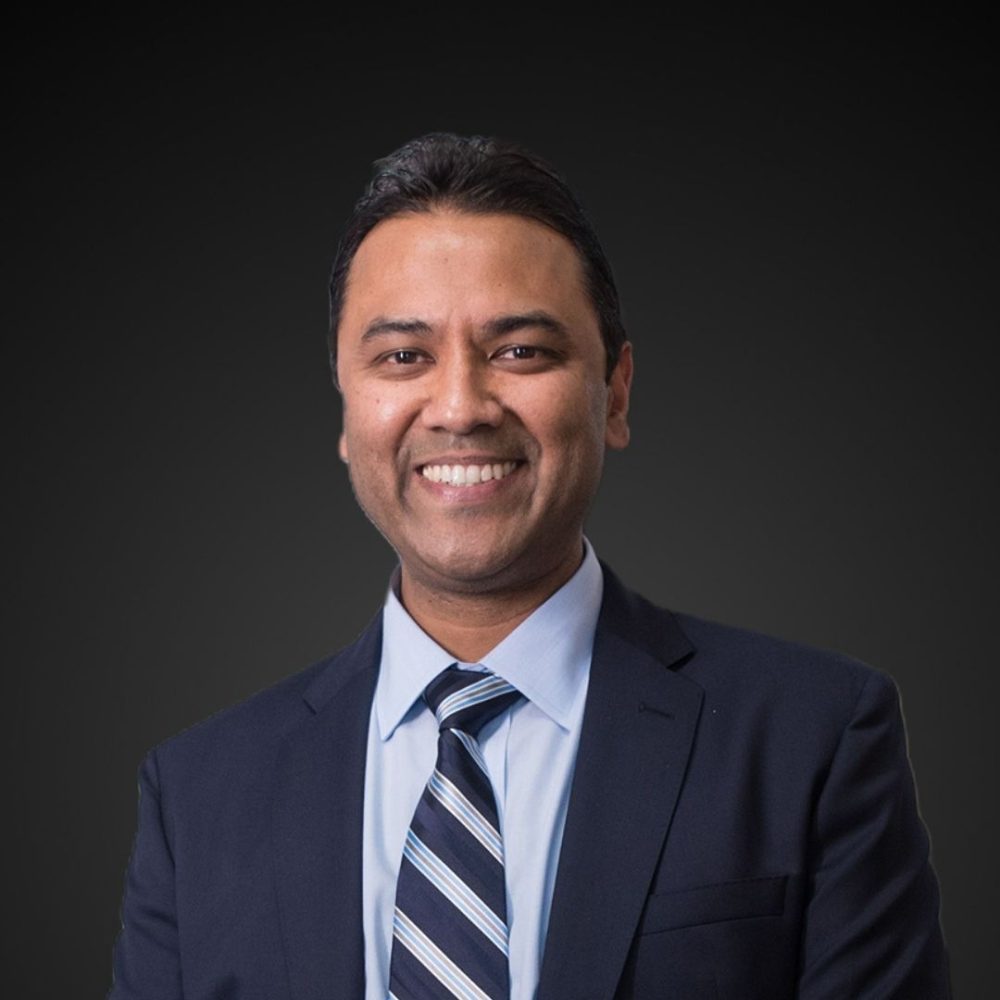
Headshot of Rolf Gomes smiling against a dark background.

Rolf Gomes

Mobile health pioneer

Dr Rolf Gomes is an electrical engineer turned cardiologist whose work focuses on rethinking how specialist healthcare is delivered to rural, remote and First Nations communities. He is the founder of Heart of Australia, a mobile healthcare program designed to bring specialist testing and care directly to communities that would otherwise go without.

Inspired by the health inequities he witnessed while training in rural Australia, Rolf combined his engineering expertise with clinical practice to design the first Heart Truck — a fully equipped clinic-on-wheels. What began as a single service has since grown into a multidisciplinary healthcare program operating across more than 40 communities.

Since Rolf’s TEDxBrisbane talk in 2017, Heart of Australia has expanded nationally, marking a major shift in how specialist care is delivered outside metropolitan centres. He continues to challenge the boundaries of rural medicine — one kilometre at a time.

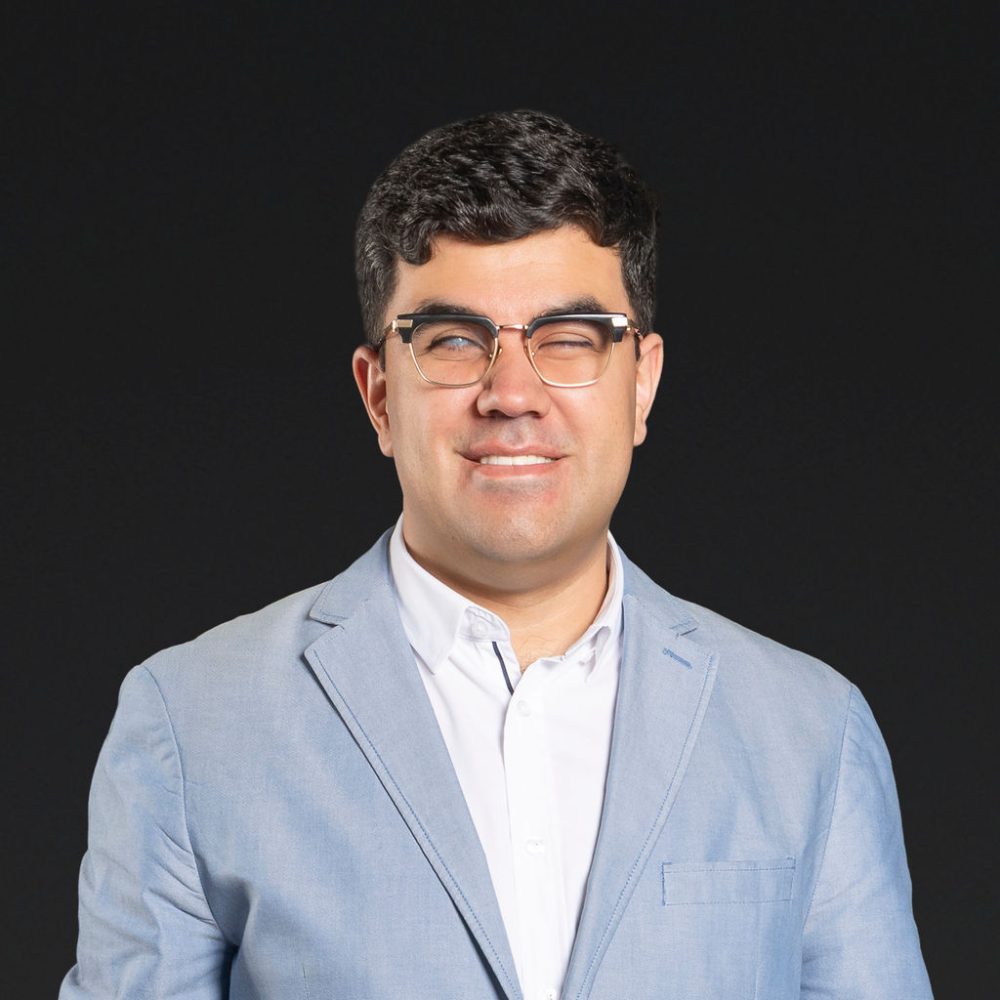
Headshot of Santiago Velasquez smiling against a dark background.

Santiago Velasquez

Accessibility designer

Santiago Velasquez is an electrical engineer and inventor whose work focuses on designing systems that make the world more accessible. Drawing on his lived experience of vision impairment, he applies engineering thinking to challenges around mobility, navigation and independence.

Santiago founded the technology companies EyeSyght and Hailo, developing tools that address accessibility barriers across transport, education and employment. His work examines how everyday systems can be redesigned to work for more people, more reliably. In 2022, he was awarded a Churchill Fellowship to research best practice in accessible public transport internationally.

Born in Colombia and now based in Australia, Santiago brings a global perspective to questions of access and inclusion. His work challenges the idea that barriers are inevitable — and instead asks what becomes possible when accessibility is treated as a design choice, not an afterthought.

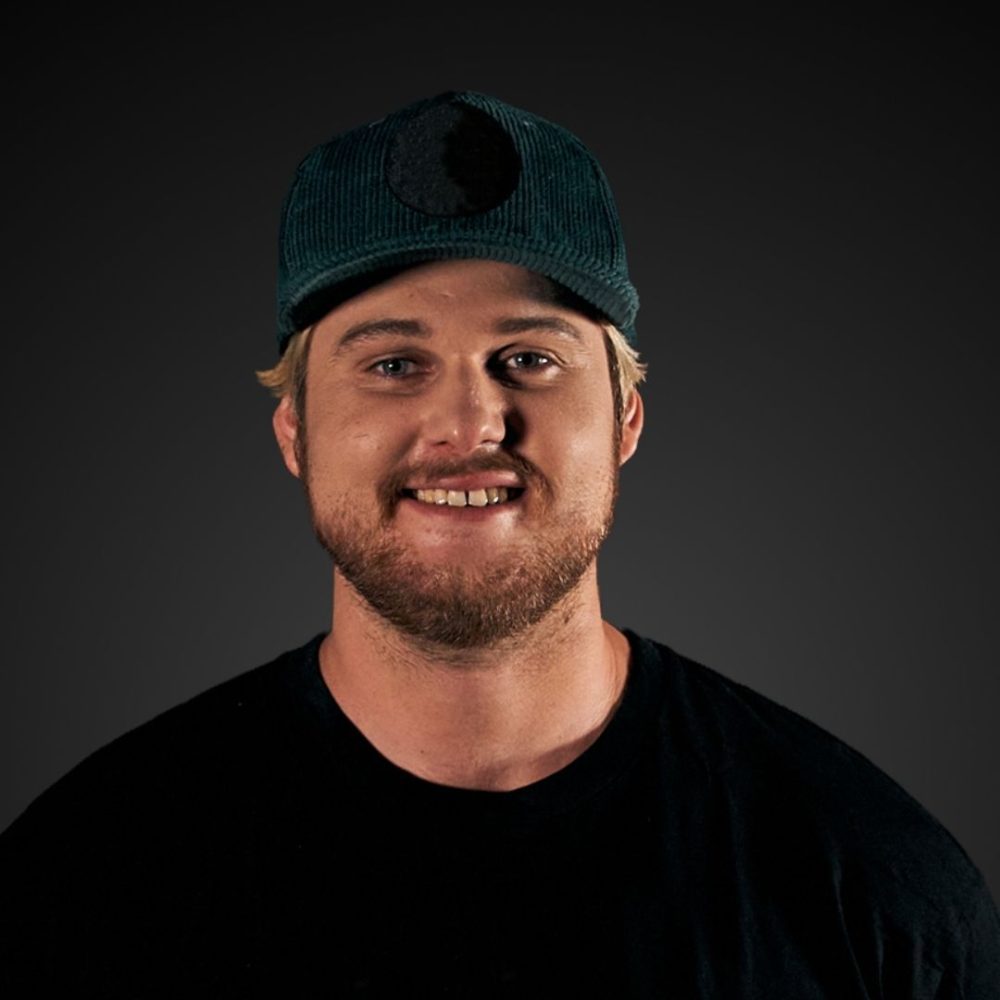
Headshot of Rob Joseph smiling against a dark background.

Rob Joseph

Design innovator

Rob Joseph is a medical engineer and entrepreneur whose work explores how safety systems can better reflect how people actually behave in the real world. With a lifelong connection to action sports, he began questioning why helmet design had changed so little despite growing understanding of risk, comfort and human decision-making.

Rob is the founder and CEO of Anti Ordinary, where his work focuses on rethinking brain protection through research, testing and design-led problem solving. Rather than prioritising technical complexity, he centres usability — examining how design influences whether protective equipment is trusted, adopted and worn consistently.

His work sits at the intersection of engineering, design and culture, where technical innovation meets everyday human behaviour. Rob is driven by a belief that meaningful breakthroughs don’t come from adding more — but from rethinking the fundamentals.

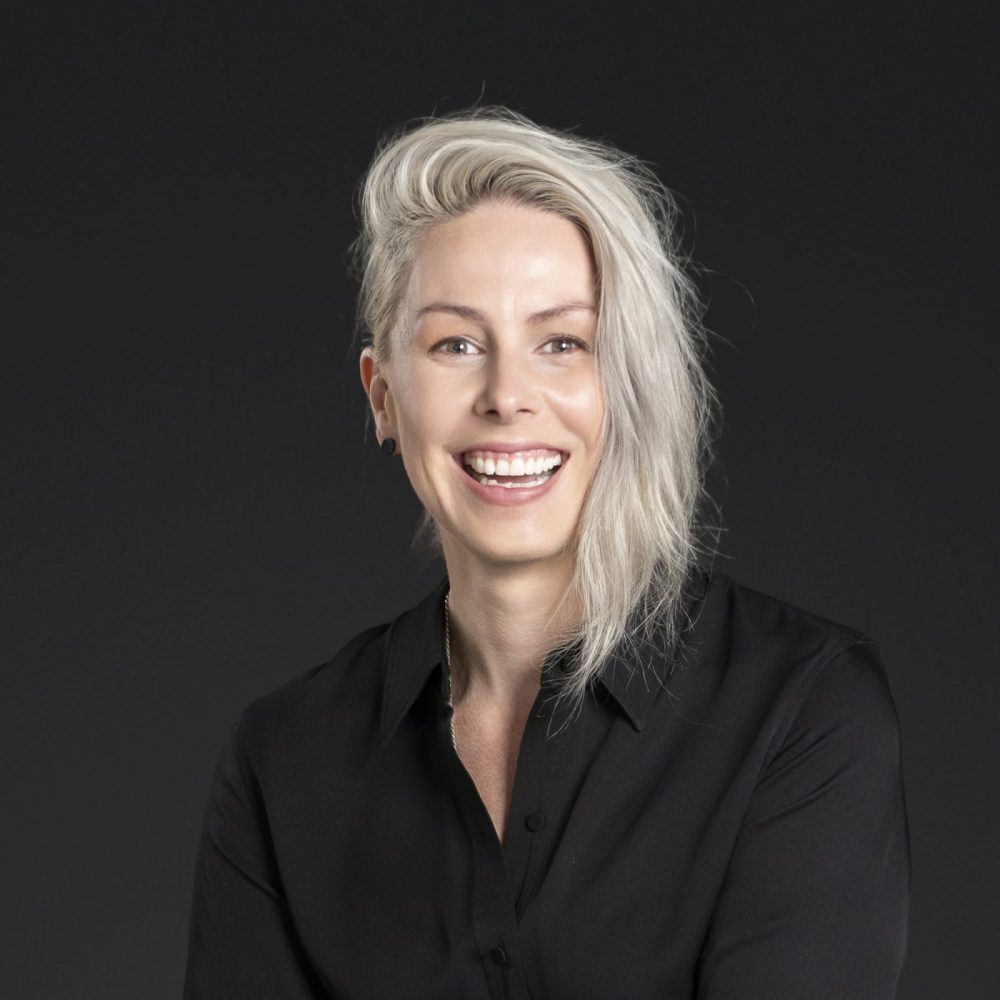
Headshot of Nicole Dyson smiling against a dark background.

Nicole Dyson

Educator

Nicole Dyson is an educator and entrepreneur working with schools and systems to design learning that helps young people build confidence, curiosity and agency. After nearly a decade teaching and leading in Australian public schools, she developed a deep understanding of how classroom experiences shape not just academic outcomes, but how students respond to challenge and uncertainty.

She is the founder of Future Anything, an organisation supporting the design of future-ready schools through curriculum programs, teacher development and partnerships with industry and government. Through this work, Nicole collaborates with educators to rethink how learning environments prepare young people for complexity, change and decision-making.

Nicole remains, first and foremost, a teacher. Her work focuses on designing learning that equips young people with the confidence and capability to navigate an unpredictable world.

Headshot of Molly McCluskey smiling against a dark background.

Molly McCluskey

Investigative journalist

Molly McCluskey is an investigative journalist and foreign correspondent whose work explores power, diplomacy and the spaces where global decisions are made. She is the founder of Diplomatica Global Media, a solutions-focused newsroom examining the intersection of international relations and the built environment.
 
Reporting from across Europe, the Middle East and Africa, Molly has covered diplomacy, economics, climate and institutions for leading international outlets. Her work is distinguished by a focus on how architecture, design and physical space influence political relationships and global cooperation.
 
A recipient of numerous international fellowships, her career bridges frontline reporting with long-form investigation, often in places where politics, power and place collide. Through journalism, consulting and media strategy, she is committed to making complex global issues accessible, human and actionable — using independent media as a catalyst for meaningful change.
Headshot of Lotti Tajouri smiling against a dark background.

Lotti Tajouri

Molecular biologist

Dr Lotti Tajouri is a molecular biologist whose work focuses on infectious disease, biosecurity and the unseen microbial worlds humans interact with every day. His research spans public health, forensic microbiology and infection prevention, with international collaborations addressing emerging biological risks.

Lotti is an Adjunct Associate Professor at Murdoch University and Associate Professor in Molecular Biology at Bond University Faculty of Health Sciences and Medicine, and is a long-standing member of the Dubai Police Scientist Council, contributing scientific expertise to global biosecurity initiatives. Across his work, he is interested in how everyday behaviours intersect with invisible biological systems — and how small, overlooked habits can carry disproportionate consequences.

By translating complex microbiology into accessible insight, Lotti challenges assumptions about cleanliness, risk and the environments we move through every day.

Headshot of Kate Fisher smiling against a dark background.

Kate Fisher

Health sociologist

Kate Fisher is a health sociologist and global blood donation advocate whose work explores altruism, health systems and the unseen networks that sustain life. She is the founder of Milkshakes for Marleigh, a movement addressing critical blood shortages by amplifying the voices of blood recipients, and making visible the impact of anonymous donors.

Kate’s work is grounded in lived experience, shaped by her daughter’s survival following repeated life-saving blood-derived treatments. Through research, storytelling and advocacy, she examines how generosity operates within modern healthcare systems — and what happens when it is taken for granted.

By making gratitude visible and stories shareable, Kate’s work invites a deeper understanding of the quiet acts of humanity that keep families together, often without recognition or reward.

Headshot of Jordi Luke smiling against a dark background.

Jordi Luke

Identity thinker

Jordi Luke is a public health strategist and community advocate whose work focuses on access, belonging, and care beyond rigid social categories. Their approach is shaped by senior leadership experience within the U.S. Department of Health & Human Services and frontline community work.

Jordi is the CEO and Co-Founder of Haus of Transcendent, an organisation working to prevent housing insecurity among LGBTQI+ immigrants and Transgender people, while operating as a community-based public health resource. They focus on removing structural barriers between people and the services designed to support them.

Born in Mexico and raised across Chile and Bolivia, Jordi brings a global perspective to questions of identity and inclusion. Through policy, culture, and maximalist fashion — including recognition as the inaugural Elton John AIDS Foundation Style Icon winner — Jordi challenges narrow gender frameworks and asks how communities can make room for more human ways of being.

Heather Anderson

Community media scholar, radio host, author

Associate Professor Heather Anderson is a community media scholar and journalist whose work examines how alternative media creates space for voices often excluded from mainstream narratives. She has been involved in community radio since the early 1990s, most notably at 4ZZZ in Meanjin/Brisbane, where she has worked across broadcasting, training, governance and archiving.
 
Heather’s research explores the role of community-owned media in advancing social justice, cultural expression and democratic participation. She is the author of People Powered Radio: Fifty Years of Australian Community Radio Station 4ZZZ, a definitive account of the station’s history and impact.
 
Through both scholarship and practice, Heather makes a compelling case for why media controlled by communities — not markets or governments — still matters.
Headshot of Fleur Madden smiling against a dark background.

Fleur Madden

Entrepreneur

Fleur Madden is an entrepreneur with more than two decades of experience building and growing businesses. She has founded four companies and exited three, developing a practical understanding of how businesses evolve and navigate moments of transition.

She is the founder and CEO of The Ginsburg Firm, a consultancy supporting female founders to scale or sell their businesses. Fleur’s work focuses on addressing a persistent pattern in entrepreneurship — that women are far more likely to close a business than successfully exit one — by helping founders build value and optionality as their businesses grow.

Fleur currently serves as Brisbane’s inaugural Women in Business Champion, advising the city on initiatives that support women’s economic participation and leadership. Alongside her commercial work, she contributes to community organisations supporting women in crisis and is proudly the Chairwoman of 4Voices. Her work centres on creating practical pathways for women to sustain success on their own terms.

Headshot of Bill Ovenden smiling against a dark background.

Bill Ovenden​

Human-centred designer

Bill Ovenden is a design leader whose work focuses on making positive behaviours easier to follow through on in real life. As co-founder and CEO of The Lad Collective, he began by addressing a practical everyday problem and quickly became immersed in how design choices shape human action.

Through years of building and refining products used at scale, Bill developed a deep understanding of how small design decisions influence whether people follow through on what they already care about.

Bill is interested in how leaders, organisations and communities can rethink the systems they create — not to fix people, but to design environments that better reflect how humans actually behave.

Headshot of Abbas Shafiee smiling against a dark background.

Abbas Shafiee

Regenerative scientist

Dr Abbas Shafiee is a regenerative scientist and bioengineer working at the intersection of stem cell biology, tissue engineering and human-relevant model systems. He leads interdisciplinary research focused on building complex living human tissues that better reflect how the body grows, repairs and protects itself.

His work has contributed to emerging approaches across regenerative medicine, biotechnology and non-animal testing, and is supported through international collaborations spanning academia, industry and health systems. At the core of Abbas’s research is a commitment to rethinking how we study the human body — moving beyond simplified models toward living systems that behave more like us.

Beyond the laboratory, Dr Shafiee is passionate about translating deep science into ideas that reshape how we understand the human body and our relationship with biology, technology and healing.