Asking bigger questions about your life, your work, the world?
TEDxBrisbane is your space to step outside your routine, reimagine your direction and move forward with purpose.
TEDxBrisbane is a vibrant exploration of bold and audacious ideas, propelling Future You to think expansively at every level, from personal to global.
A working session for who you’re becoming, shared with the leading thinkers, doers and changemakers of Brisbane, both on and off the stage.
This experience is for those who deeply care about where they’re headed, how they lead and what really matters.

Regenerative scientist
Human-centred designer
Community media scholar, radio host, author
Identity thinker
Health sociologist
Molecular biologist
Investigative journalist
Educator
Design innovator
Mobile health pioneer
Electrical engineer, innovator & accessibility advocate
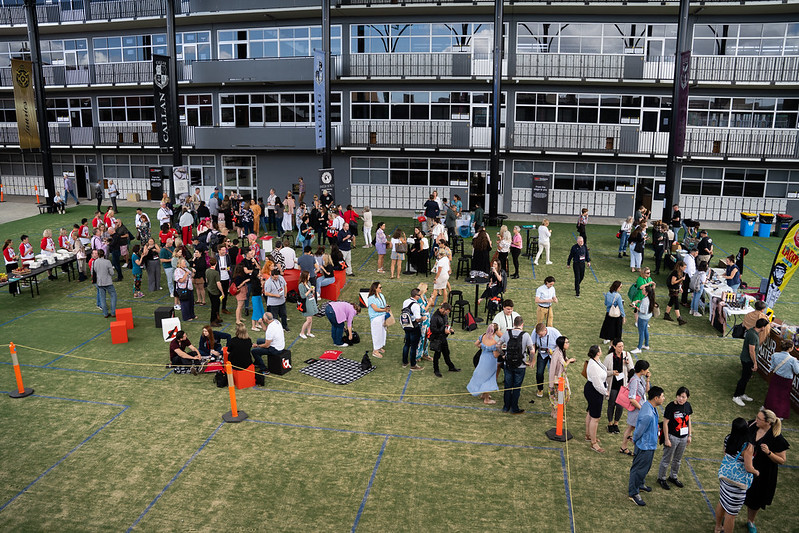
Handpicked thinkers, doers and changemakers—our curated community of participants connects to inspire, challenge, and elevate one another’s ideas and impact in the world.
Bold and audacious ideas on a wide spectrum of topics, including business, science, education, design, innovation, health, social justice and more.
Be inspired to ask big questions, from personal to global, including who you are, where we’re headed, how you lead and what really matters.
“An amazing experience, extremely well organised and
life-changing talks. Friends are begging to know how
they can come next time.”
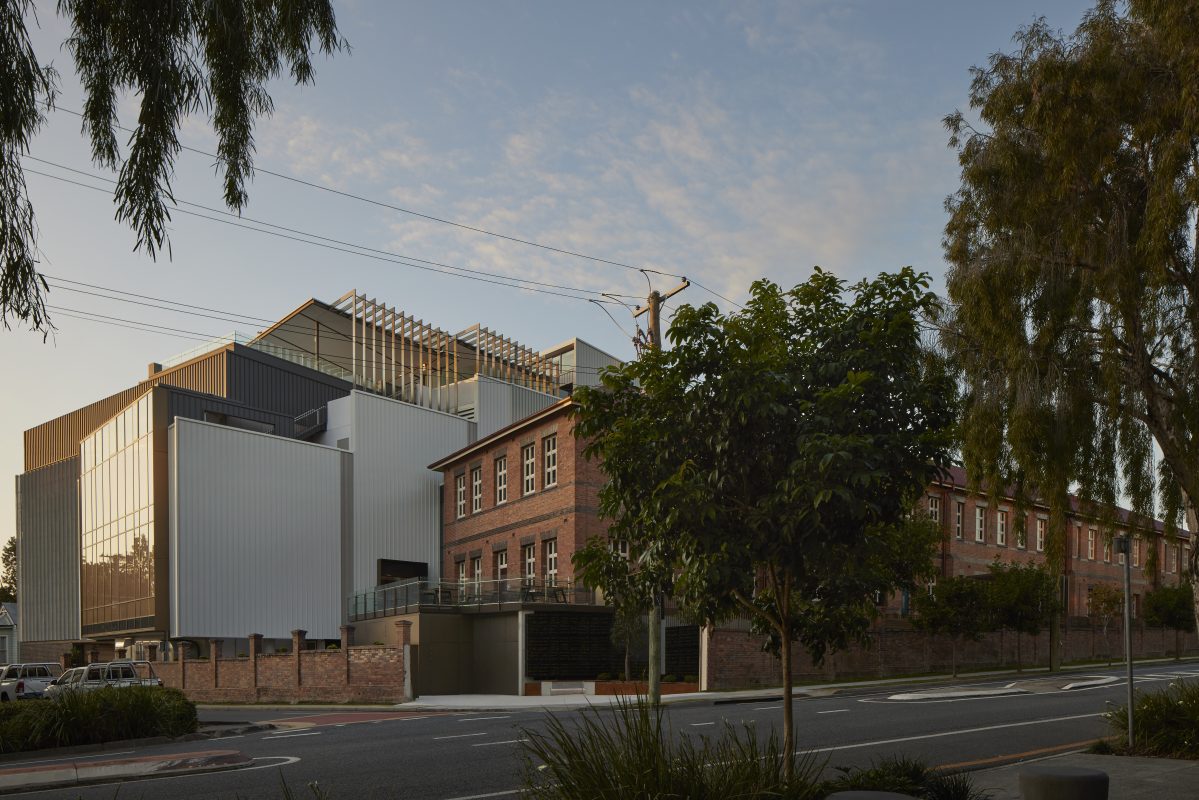
Our 2026 Location
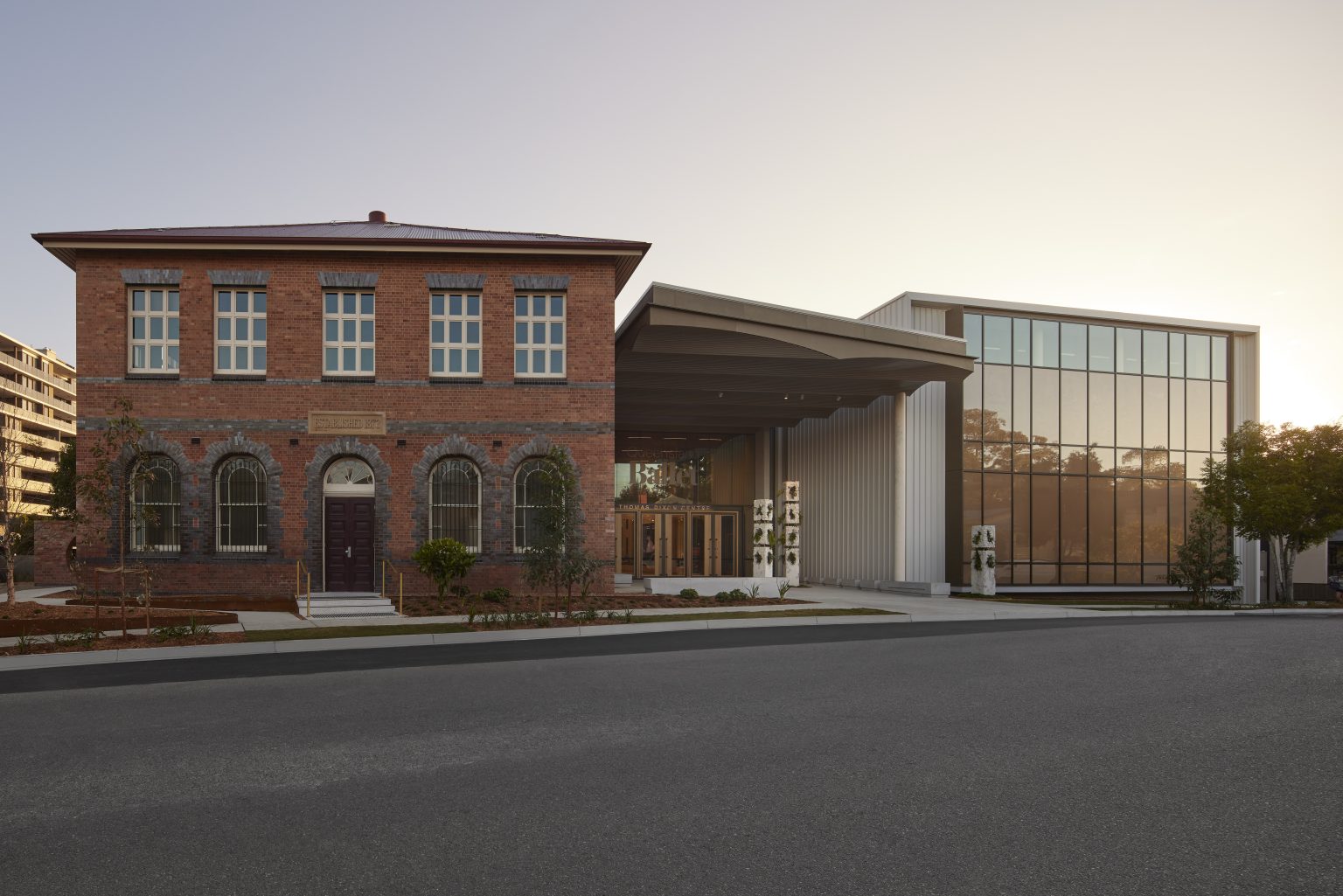
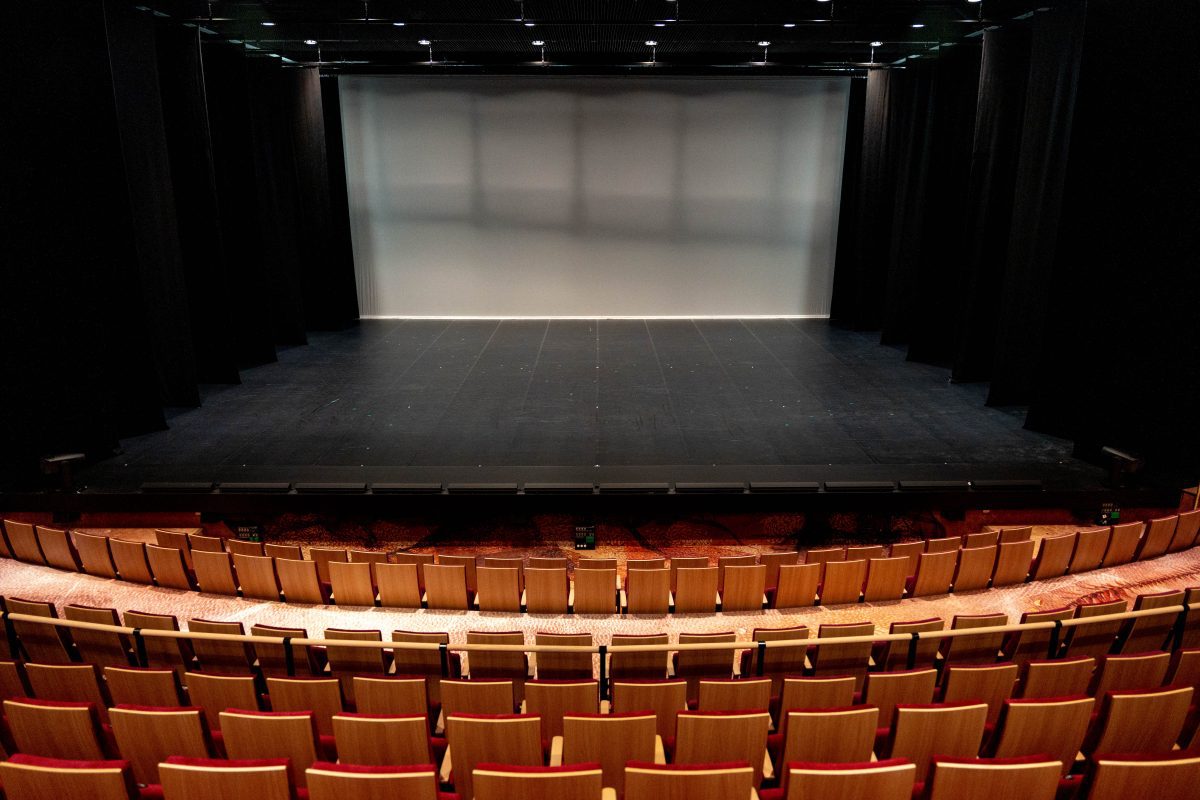
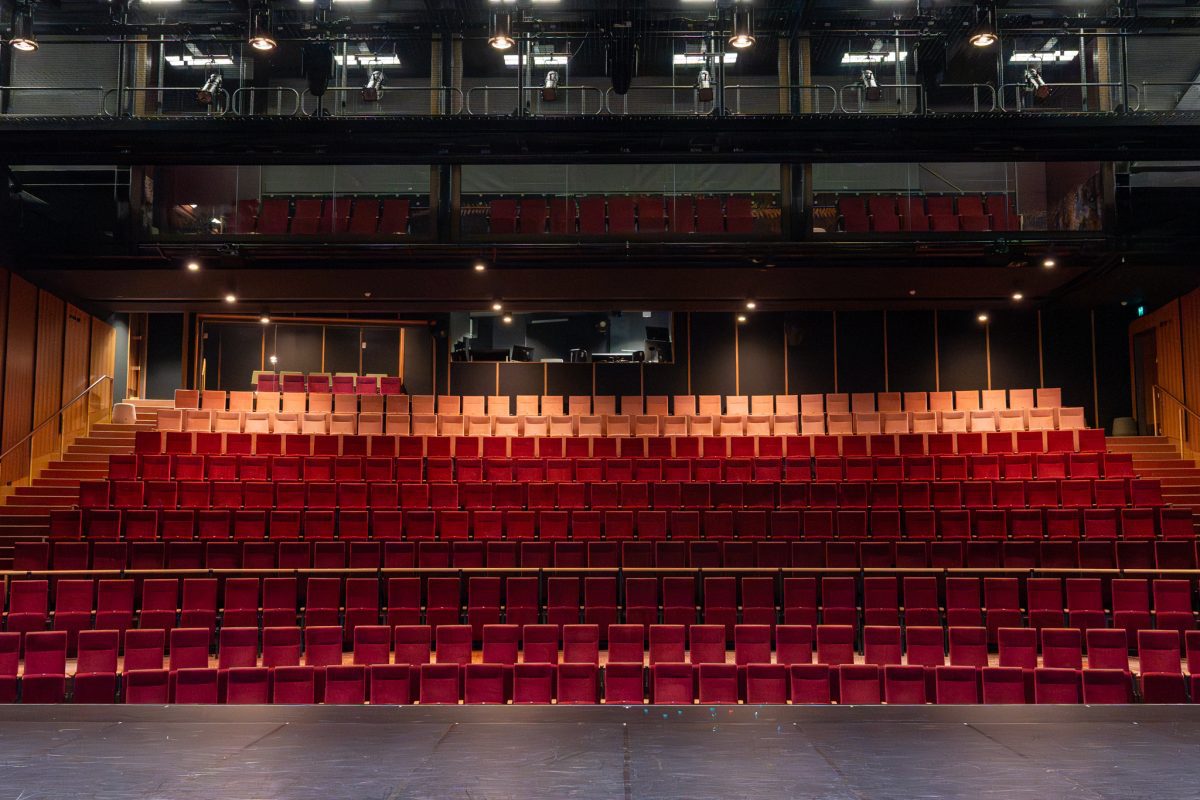
In 2026, TEDxBrisbane will be held at the Thomas Dixon Centre, a world-class performing arts destination and cultural precinct flowing with creative energy. The Thomas Dixon Centre has become a hub that fosters cross-pollination of creativity, innovation and ideas between creatives, performers and arts workers, audiences and visitors from all walks of life.
Dr Abbas Shafiee is a regenerative scientist and bioengineer working at the intersection of stem cell biology, tissue engineering and human-relevant model systems. He leads interdisciplinary research focused on building complex living human tissues that better reflect how the body grows, repairs and protects itself.
His work has contributed to emerging approaches across regenerative medicine, biotechnology and non-animal testing, and is supported through international collaborations spanning academia, industry and health systems. At the core of Abbas’s research is a commitment to rethinking how we study the human body — moving beyond simplified models toward living systems that behave more like us.
Beyond the laboratory, Dr Shafiee is passionate about translating deep science into ideas that reshape how we understand the human body and our relationship with biology, technology and healing.
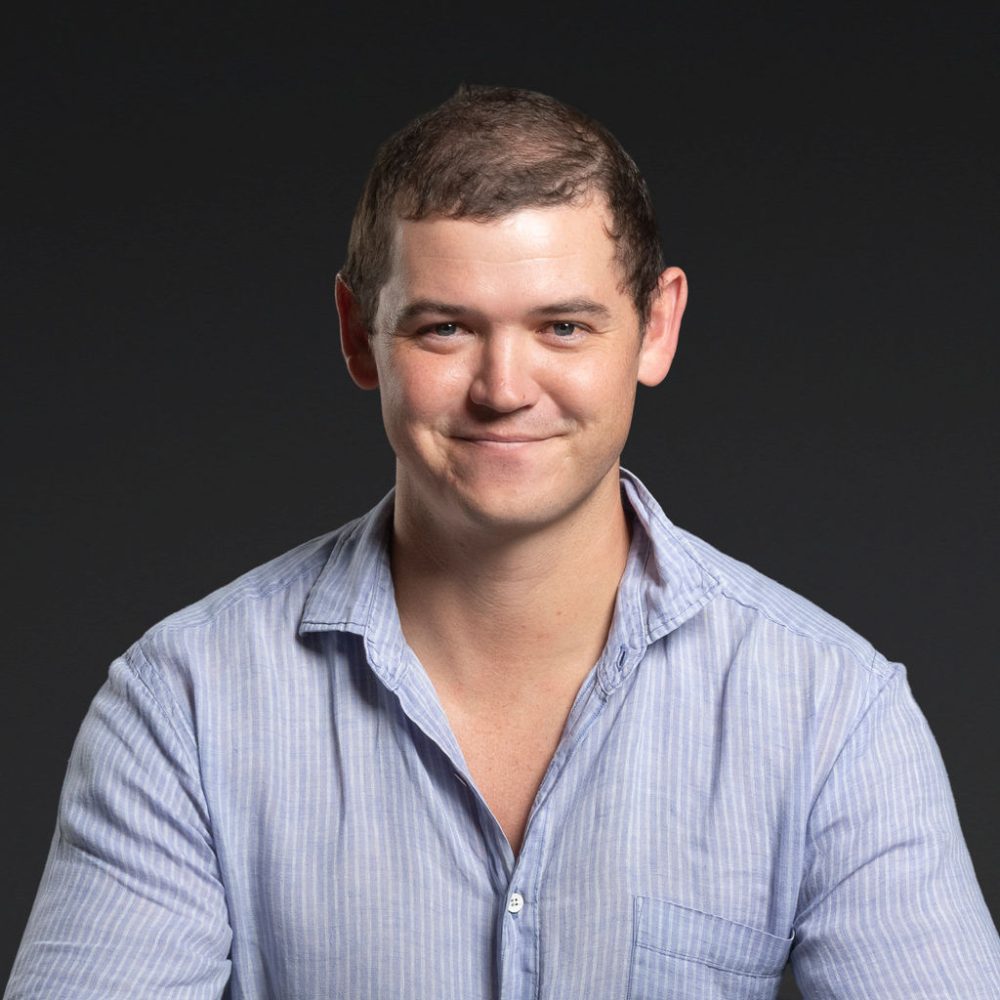
Bill Ovenden is a design leader whose work focuses on making positive behaviours easier to follow through on in real life. As co-founder and CEO of The Lad Collective, he began by addressing a practical everyday problem and quickly became immersed in how design choices shape human action.
Through years of building and refining products used at scale, Bill developed a deep understanding of how small design decisions influence whether people follow through on what they already care about.
Bill is interested in how leaders, organisations and communities can rethink the systems they create — not to fix people, but to design environments that better reflect how humans actually behave.
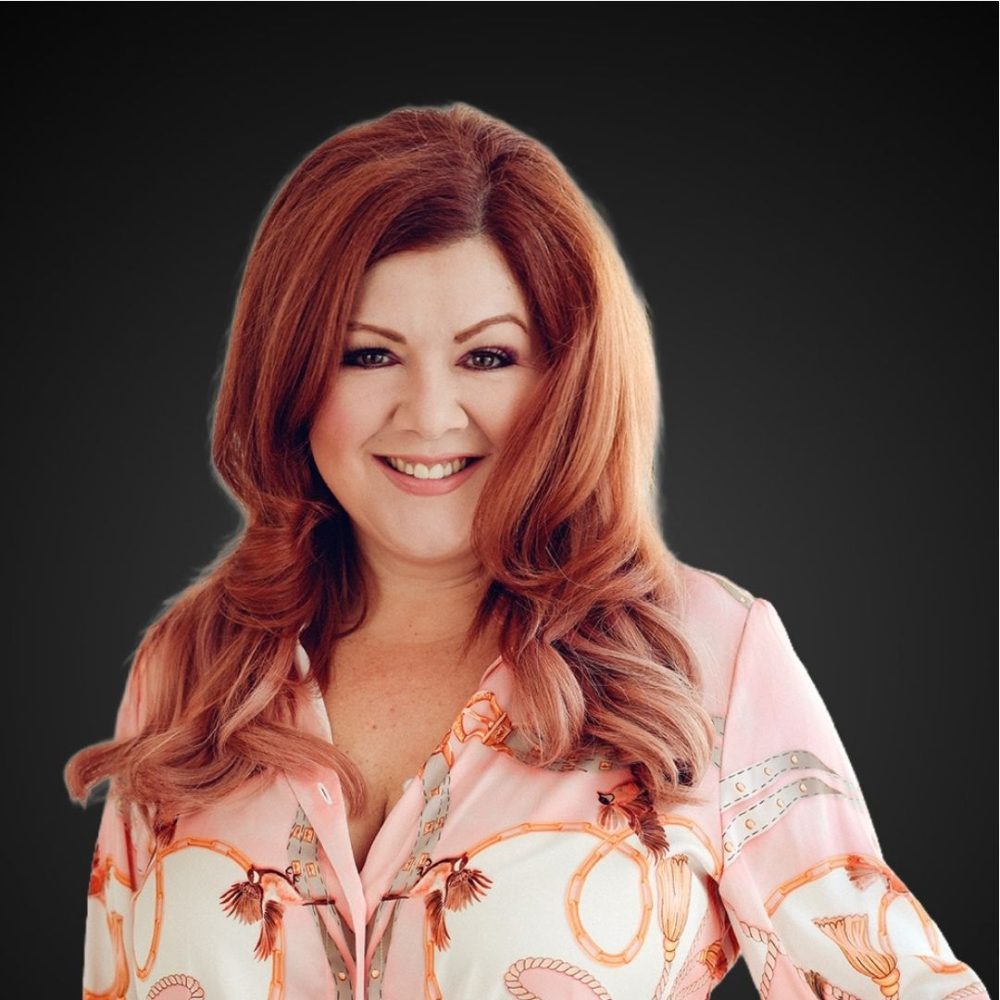
Fleur Madden is an entrepreneur with more than two decades of experience building and growing businesses. She has founded four companies and exited three, developing a practical understanding of how businesses evolve and navigate moments of transition.
She is the founder and CEO of The Ginsburg Firm, a consultancy supporting female founders to scale or sell their businesses. Fleur’s work focuses on addressing a persistent pattern in entrepreneurship — that women are far more likely to close a business than successfully exit one — by helping founders build value and optionality as their businesses grow.
Fleur currently serves as Brisbane’s inaugural Women in Business Champion, advising the city on initiatives that support women’s economic participation and leadership. Alongside her commercial work, she contributes to community organisations supporting women in crisis and is proudly the Chairwoman of 4Voices. Her work centres on creating practical pathways for women to sustain success on their own terms.
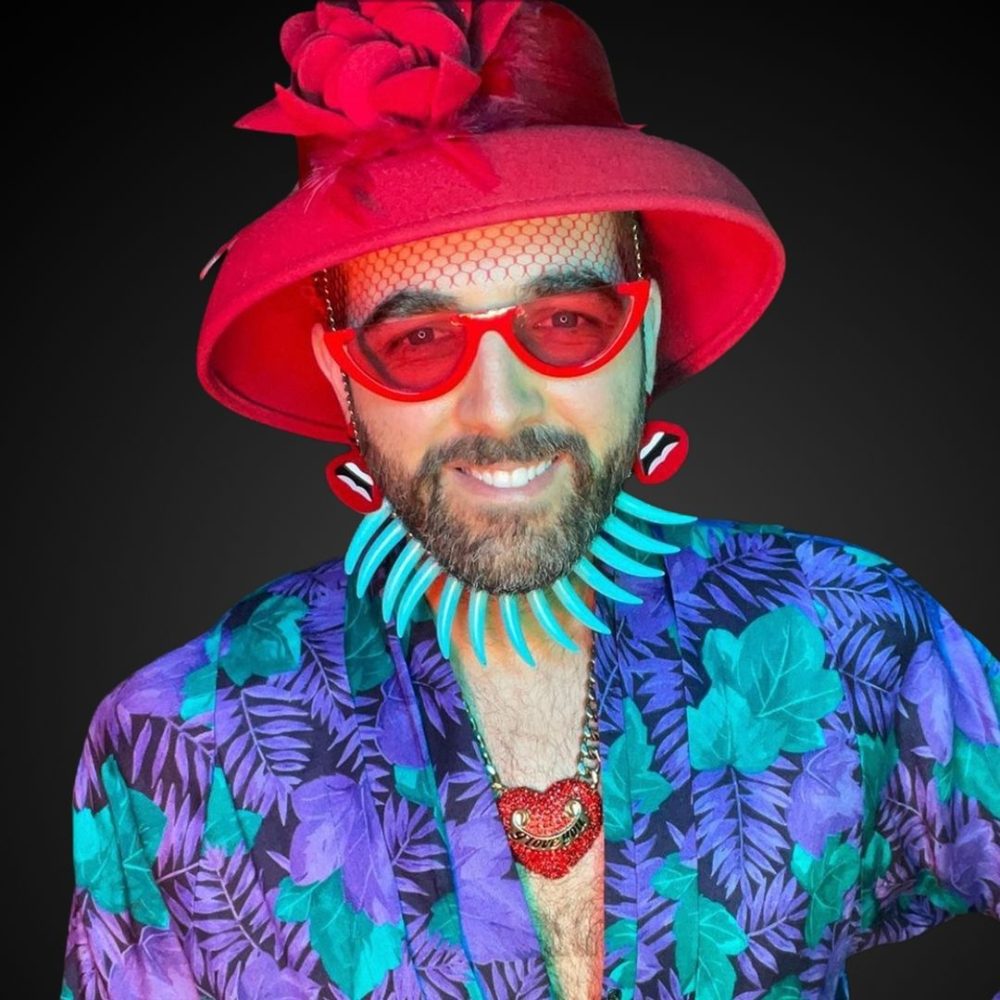
Jordi Luke is a public health strategist and community advocate whose work focuses on access, belonging, and care beyond rigid social categories. Their approach is shaped by senior leadership experience within the U.S. Department of Health & Human Services and frontline community work.
Jordi is the CEO and Co-Founder of Haus of Transcendent, an organisation working to prevent housing insecurity among LGBTQI+ immigrants and Transgender people, while operating as a community-based public health resource. They focus on removing structural barriers between people and the services designed to support them.
Born in Mexico and raised across Chile and Bolivia, Jordi brings a global perspective to questions of identity and inclusion. Through policy, culture, and maximalist fashion — including recognition as the inaugural Elton John AIDS Foundation Style Icon winner — Jordi challenges narrow gender frameworks and asks how communities can make room for more human ways of being.
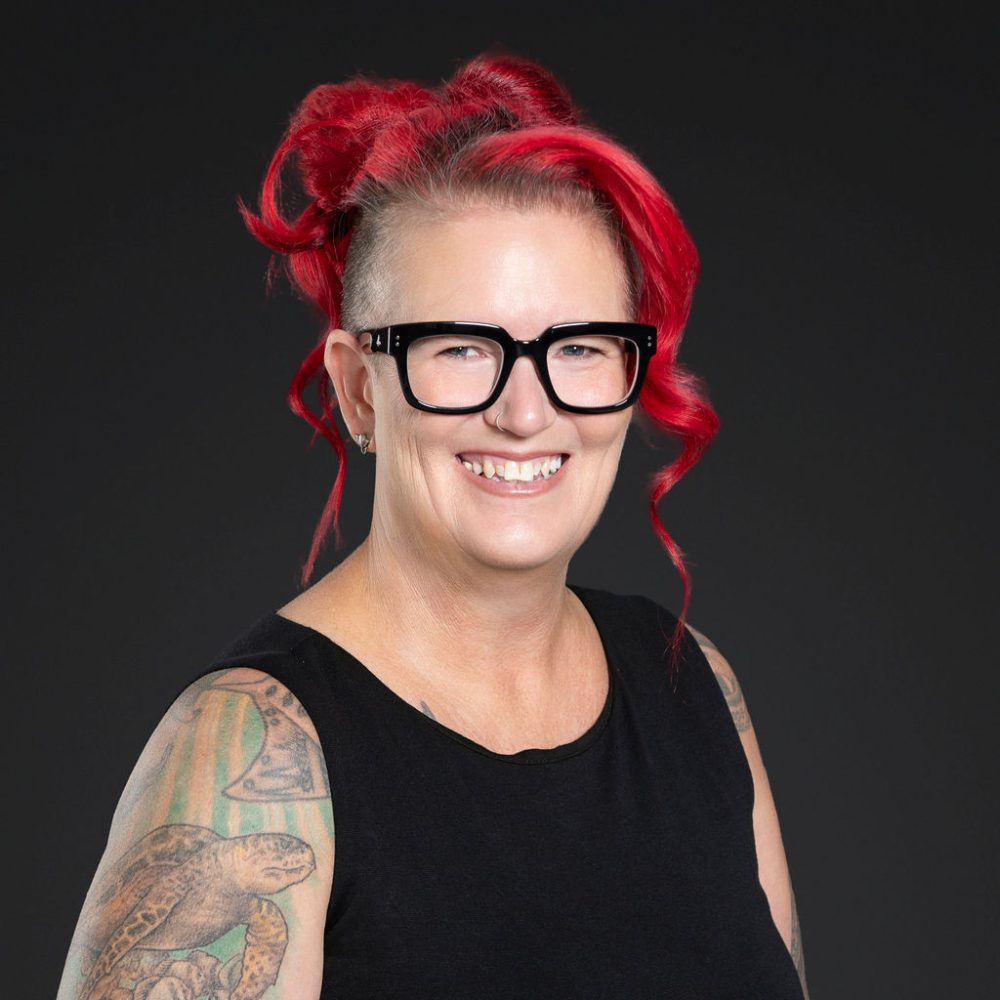
Kate Fisher is a health sociologist and global blood donation advocate whose work explores altruism, health systems and the unseen networks that sustain life. She is the founder of Milkshakes for Marleigh, a movement addressing critical blood shortages by amplifying the voices of blood recipients, and making visible the impact of anonymous donors.
Kate’s work is grounded in lived experience, shaped by her daughter’s survival following repeated life-saving blood-derived treatments. Through research, storytelling and advocacy, she examines how generosity operates within modern healthcare systems — and what happens when it is taken for granted.
By making gratitude visible and stories shareable, Kate’s work invites a deeper understanding of the quiet acts of humanity that keep families together, often without recognition or reward.
Dr Lotti Tajouri is a molecular biologist whose work focuses on infectious disease, biosecurity and the unseen microbial worlds humans interact with every day. His research spans public health, forensic microbiology and infection prevention, with international collaborations addressing emerging biological risks.
Lotti is an Adjunct Associate Professor at Murdoch University and Associate Professor in Molecular Biology at Bond University Faculty of Health Sciences and Medicine, and is a long-standing member of the Dubai Police Scientist Council, contributing scientific expertise to global biosecurity initiatives. Across his work, he is interested in how everyday behaviours intersect with invisible biological systems — and how small, overlooked habits can carry disproportionate consequences.
By translating complex microbiology into accessible insight, Lotti challenges assumptions about cleanliness, risk and the environments we move through every day.
Nicole Dyson is an educator and entrepreneur working with schools and systems to design learning that helps young people build confidence, curiosity and agency. After nearly a decade teaching and leading in Australian public schools, she developed a deep understanding of how classroom experiences shape not just academic outcomes, but how students respond to challenge and uncertainty.
She is the founder of Future Anything, an organisation supporting the design of future-ready schools through curriculum programs, teacher development and partnerships with industry and government. Through this work, Nicole collaborates with educators to rethink how learning environments prepare young people for complexity, change and decision-making.
Nicole remains, first and foremost, a teacher. Her work focuses on designing learning that equips young people with the confidence and capability to navigate an unpredictable world.
Rob Joseph is a medical engineer and entrepreneur whose work explores how safety systems can better reflect how people actually behave in the real world. With a lifelong connection to action sports, he began questioning why helmet design had changed so little despite growing understanding of risk, comfort and human decision-making.
Rob is the founder and CEO of Anti Ordinary, where his work focuses on rethinking brain protection through research, testing and design-led problem solving. Rather than prioritising technical complexity, he centres usability — examining how design influences whether protective equipment is trusted, adopted and worn consistently.
His work sits at the intersection of engineering, design and culture, where technical innovation meets everyday human behaviour. Rob is driven by a belief that meaningful breakthroughs don’t come from adding more — but from rethinking the fundamentals.
Dr Rolf Gomes is an electrical engineer turned cardiologist whose work focuses on rethinking how specialist healthcare is delivered to rural, remote and First Nations communities. He is the founder of Heart of Australia, a mobile healthcare program designed to bring specialist testing and care directly to communities that would otherwise go without.
Inspired by the health inequities he witnessed while training in rural Australia, Rolf combined his engineering expertise with clinical practice to design the first Heart Truck — a fully equipped clinic-on-wheels. What began as a single service has since grown into a multidisciplinary healthcare program operating across more than 40 communities.
Since Rolf’s TEDxBrisbane talk in 2017, Heart of Australia has expanded nationally, marking a major shift in how specialist care is delivered outside metropolitan centres. He continues to challenge the boundaries of rural medicine — one kilometre at a time.
Santiago Velasquez is an electrical engineer and inventor whose work focuses on designing systems that make the world more accessible. Drawing on his lived experience of vision impairment, he applies engineering thinking to challenges around mobility, navigation and independence.
Santiago founded the technology companies EyeSyght and Hailo, developing tools that address accessibility barriers across transport, education and employment. His work examines how everyday systems can be redesigned to work for more people, more reliably. In 2022, he was awarded a Churchill Fellowship to research best practice in accessible public transport internationally.
Born in Colombia and now based in Australia, Santiago brings a global perspective to questions of access and inclusion. His work challenges the idea that barriers are inevitable — and instead asks what becomes possible when accessibility is treated as a design choice, not an afterthought.